7 Home Projects to Finish Before Winter
Midcoast Maine homeowners should complete seven home projects before winter: inspect the roof, close siding gaps, repair and seal the deck, weatherproof entryways, clean gutters, refresh exterior trim, and protect high-traffic flooring. Addressing these small issues in fall helps prevent moisture damage, drafts, ice-related repairs, and expensive winter emergencies in Camden, Rockport, and Belfast.
Why should you finish home projects before winter?
Fall is the best time to prepare a home for Midcoast Maine’s cold, wet, and windy conditions. Contractors can typically access roofs, siding, decks, and exterior trim more easily before snow and freezing temperatures arrive. Completing repairs now also gives materials time to cure and lets homeowners identify hidden problems before they become urgent.
A loose shingle can become a roof leak. A small siding gap can admit wind-driven rain. A clogged gutter can overflow against the foundation or freeze into a heavy ice mass. Preventive maintenance is usually less disruptive and more affordable than emergency work in January.
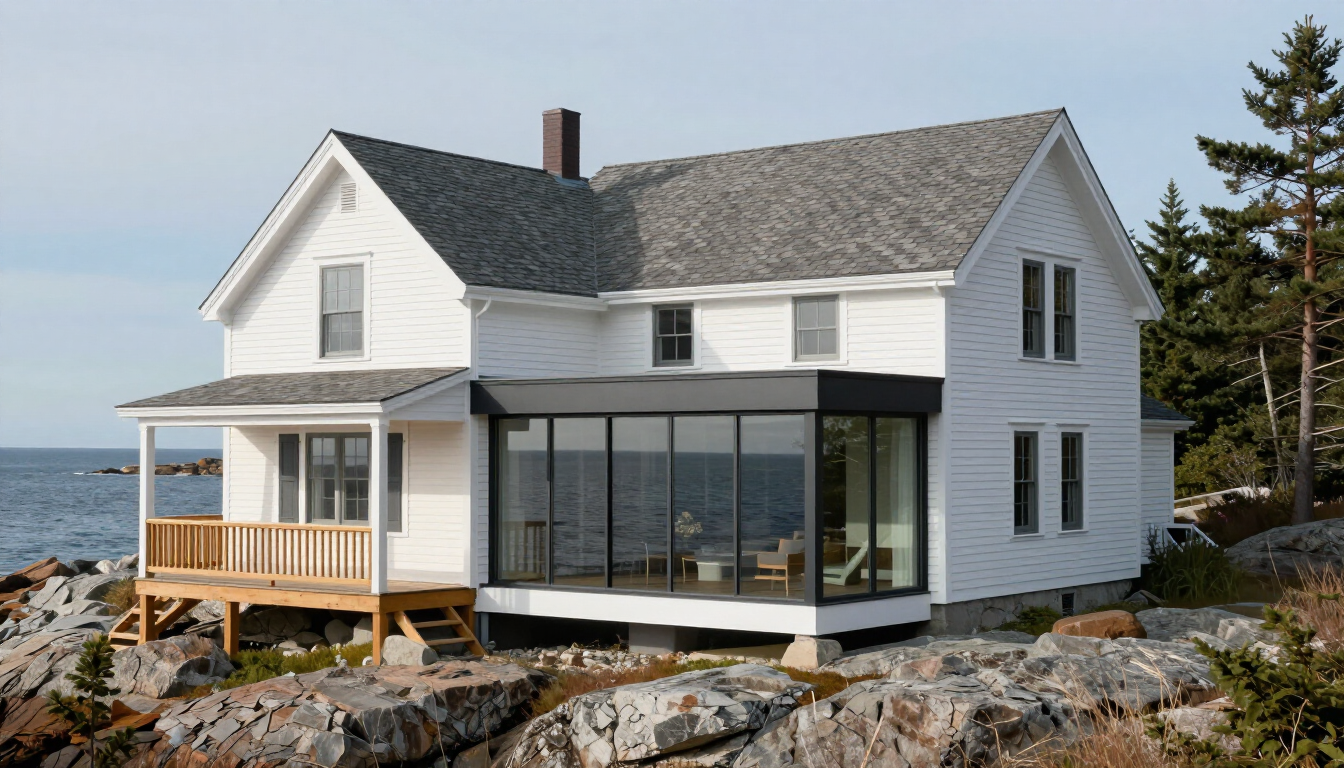
For larger projects, Granite Coast Builders can help with roofing services , siding installation , and home remodeling .
1. Is your roof ready for snow and ice?
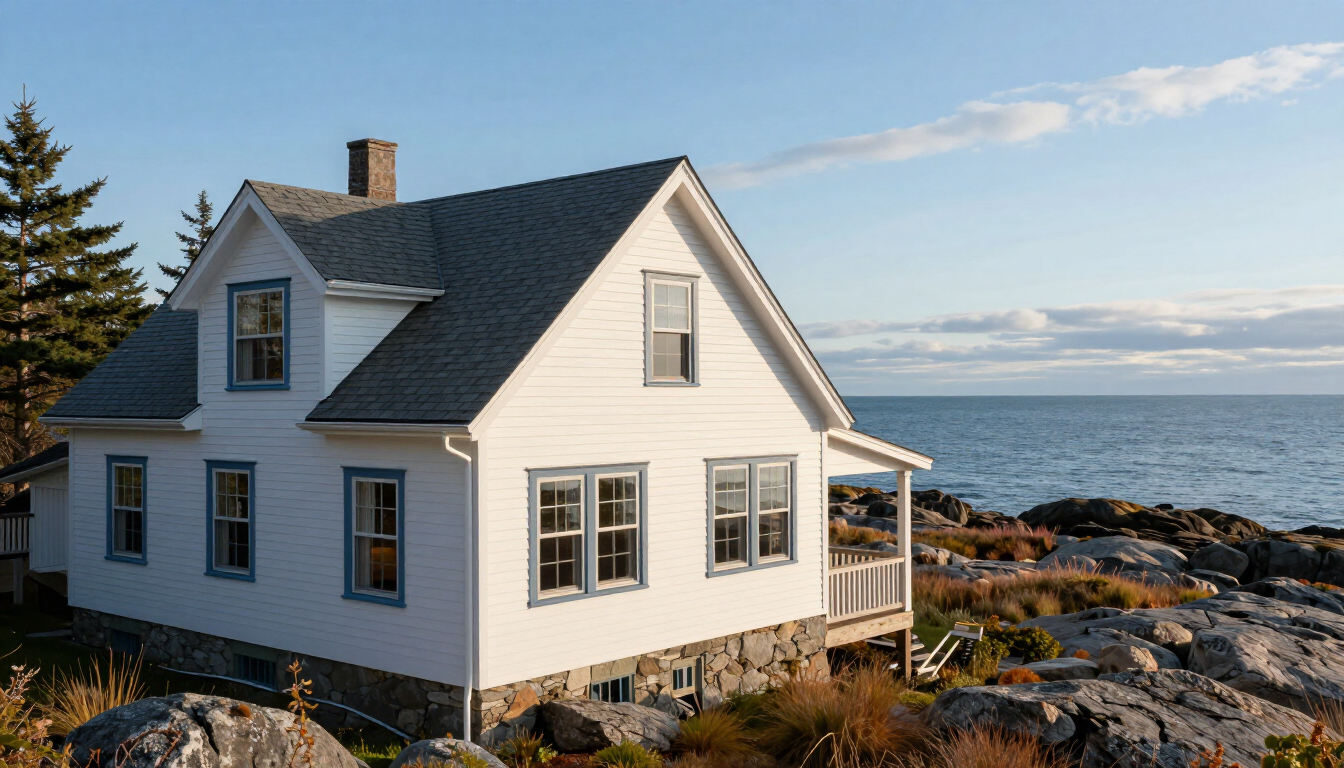
A roof inspection should be one of the first items on a fall maintenance list. Snow, ice, and coastal wind can expose weaknesses that may not be obvious from inside the home.
Look for:
- Missing, cracked, curling, or loose shingles
- Damaged flashing around chimneys, skylights, and vents
- Soft spots or water stains in the attic
- Sagging rooflines or visible daylight through roof boards
- Moss or debris holding moisture against roofing materials
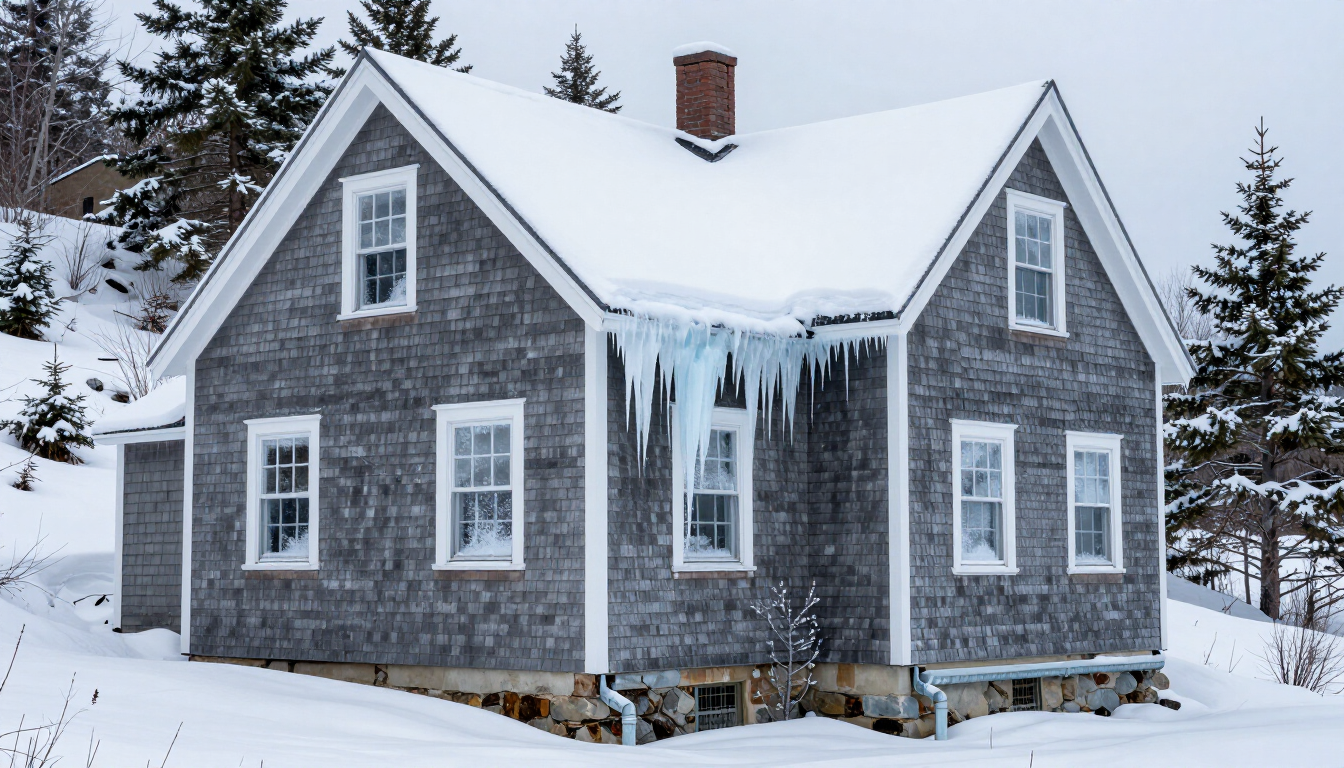
Small repairs can often be completed before a minor issue becomes interior water damage. Homeowners should also check that attic insulation and ventilation are functioning properly, since uneven temperatures can contribute to ice dams.
If you live in Camden, Rockport, or Belfast and notice a leak or damaged flashing, schedule an inspection before the first major storm.
2. Where are your siding gaps and exterior openings?
Siding protects the wall assembly from rain, wind, and temperature changes. Gaps around siding, corners, windows, doors, and utility penetrations can allow moisture and cold air behind the exterior surface.
Walk around the home on a dry day and inspect for separated seams, cracked caulk, loose boards, rot, or areas where siding has pulled away from trim. Pay close attention to the side of the home that receives the strongest prevailing weather.
Use exterior-grade caulk for suitable small joints, but do not seal over active rot or trap moisture behind siding. Damaged boards may need replacement, and older homes may require a more careful approach to preserve their original character. Granite Coast Builders provides siding contractor services for homeowners who need a durable exterior repair plan.
3. Can your deck handle winter weather?
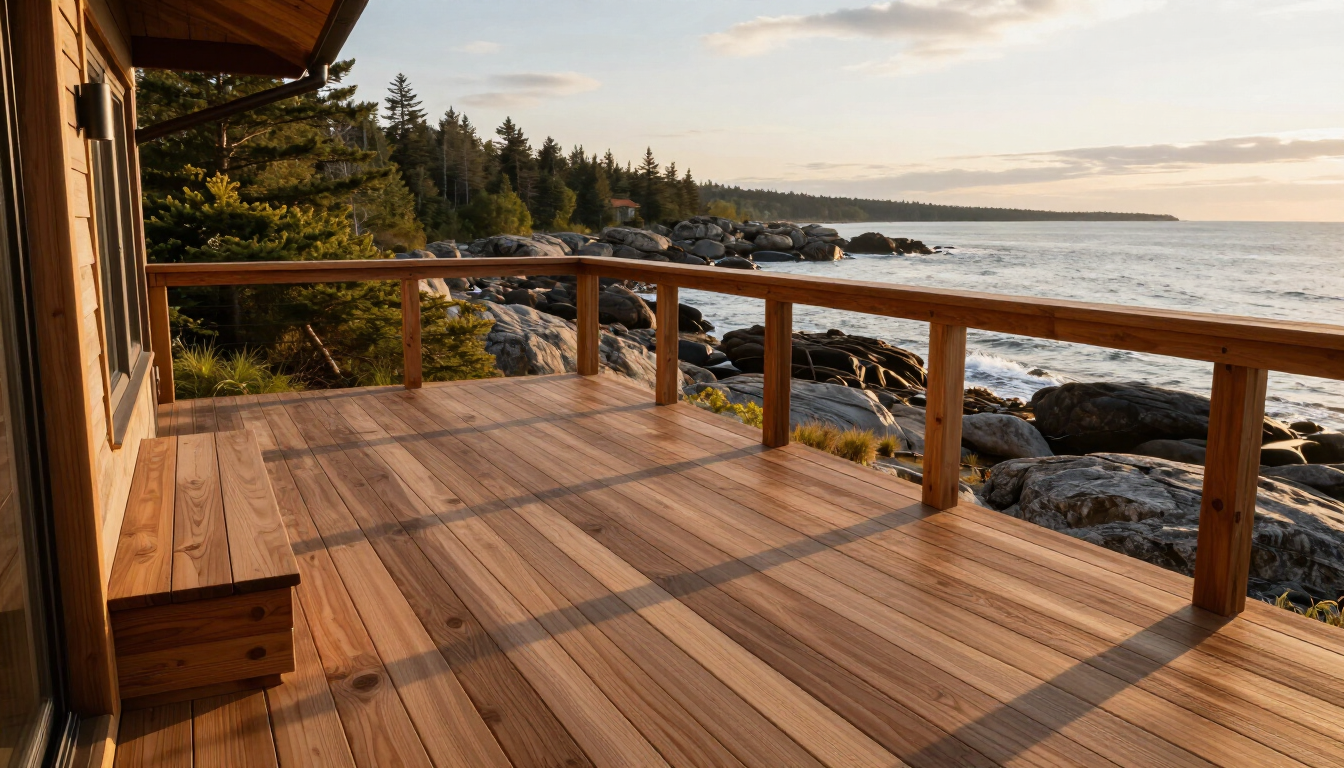
Decks face repeated exposure to rain, snow, freezing temperatures, and thawing. Fall is a practical time to repair unsafe boards and seal sound wood before winter moisture settles in.
Check the deck for loose fasteners, cracked or soft boards, unstable railings, damaged stairs, and areas where water remains after rain. Remove leaves and debris from between boards so moisture can evaporate. Replace deteriorated wood rather than covering it with stain.
A clean, dry deck may benefit from a suitable water-repellent sealer. Follow the product’s temperature and drying requirements, because cool or damp conditions can affect performance. For structural concerns or larger repairs, consult a deck builder .
4. How can you stop drafts around entryways?
Drafty doors are uncomfortable, waste heating energy, and may allow wind-driven rain or melting snow into the home. Inspect exterior doors, basement doors, garage entry doors, and older storm doors before temperatures drop.
Replace worn weatherstripping, repair damaged thresholds, and recaulk gaps around door frames where appropriate. Make sure doors close tightly without forcing the latch. If a door is warped, poorly aligned, or surrounded by deteriorated framing, a larger repair may be needed.
Entryways are especially important in historic homes, where settling and older materials can create uneven gaps. A careful repair should improve comfort without compromising the building’s character. Granite Coast Builders also specializes in historic home renovations .
5. Are your gutters ready for leaves, snow, and ice?
Gutters and downspouts should be cleaned and checked before peak leaf fall and the first freeze. Blocked gutters can overflow, stain siding, saturate soil near the foundation, and contribute to ice buildup.
Remove leaves, pine needles, and roof debris. Confirm that gutters slope toward their outlets and that downspouts discharge water several feet away from the foundation. Tighten loose hangers and replace cracked sections or leaking seams.
If your home has a steep roof or difficult access, use a qualified professional rather than taking unnecessary ladder risks. Gutter work is most effective when paired with a roof and exterior inspection.
6. Which exterior trim needs attention?
Exterior trim around windows, doors, corners, and eaves is a frequent entry point for moisture. Peeling paint, cracked joints, soft wood, and failed caulk should be addressed before repeated freezing and thawing makes the damage worse.
Probe suspicious wood gently with a screwdriver and look for discoloration or swelling. Minor surface issues may require scraping, priming, repainting, and new caulk. Rot around a window or door often requires replacing the affected section and correcting the source of moisture.
Well-maintained trim protects the home while preserving its appearance. This is particularly valuable for classic homes in Camden and surrounding Midcoast communities, where exterior details often contribute to the property’s historic character.
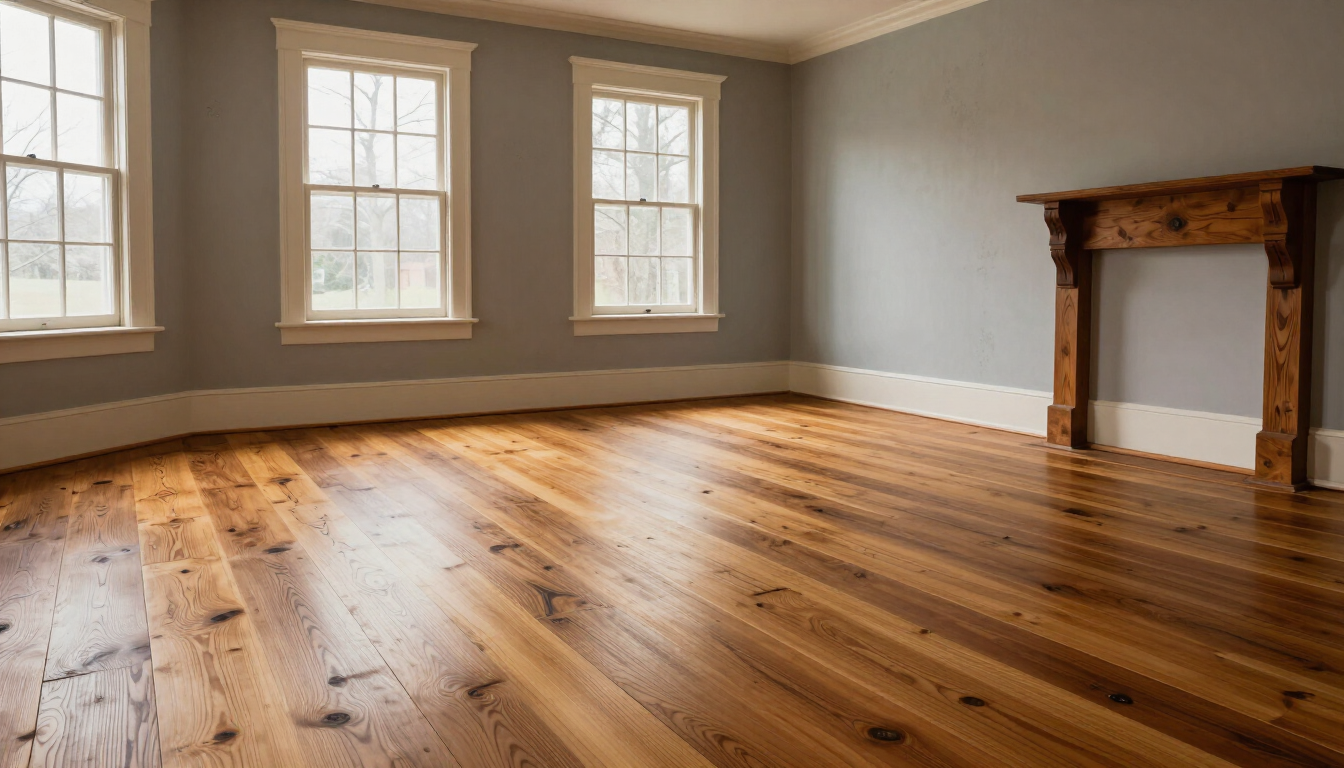
7. Should you replace flooring in high-traffic entries?
Entry flooring takes on wet boots, grit, salt, and melting snow throughout winter. Damaged or absorbent flooring can allow moisture to reach the subfloor, especially near exterior doors.
Inspect entryways, mudrooms, and hall transitions for loose boards, cracked tile, worn finishes, soft areas, and stains. Repairing or replacing flooring before winter improves safety and makes daily cleanup easier. Consider durable, moisture-tolerant materials suited to the home’s design and traffic level.
A well-planned entry upgrade may also include better transitions, storage, or a more effective boot mat area. For material guidance and installation, explore flooring contractor services .
A practical fall checklist
Before winter weather arrives, homeowners should:
- Schedule roof and exterior inspections.
- Repair openings in roofing, siding, trim, and entryways.
- Clean gutters and direct downspouts away from the foundation.
- Repair, clean, and seal the deck where appropriate.
- Protect or replace worn flooring in wet, high-traffic areas.
What should you do next?
Home projects before winter do not all require a major renovation. Start with water entry, structural safety, and drafts, then address appearance and comfort improvements. Walk around your home after the next rainstorm, note problem areas, and prioritize repairs before freezing weather limits access. Whether your property is in Camden, Rockport, Belfast, or another Midcoast Maine community, Granite Coast Builders can help evaluate the work and provide a clear estimate. Call Granite Coast Builders at (207) 408-8504 to discuss your fall maintenance and renovation needs.