5 Ways to Prevent Ice Dams on Maine Homes
Ice dams on Maine homes form when heat escapes into the attic, melts snow on the roof, and refreezes at the colder eaves. The resulting ice blocks drainage, allowing water beneath shingles and into roof sheathing, insulation, walls, ceilings, and gutters. Timely inspection helps prevent expensive winter damage.
What causes ice dams on Maine homes?
Ice dams develop when different parts of a roof have different temperatures. Heat from the living space rises through gaps around attic hatches, chimneys, recessed lights, plumbing vents, or poorly insulated ceilings. That warmth melts snow on the upper roof surface.
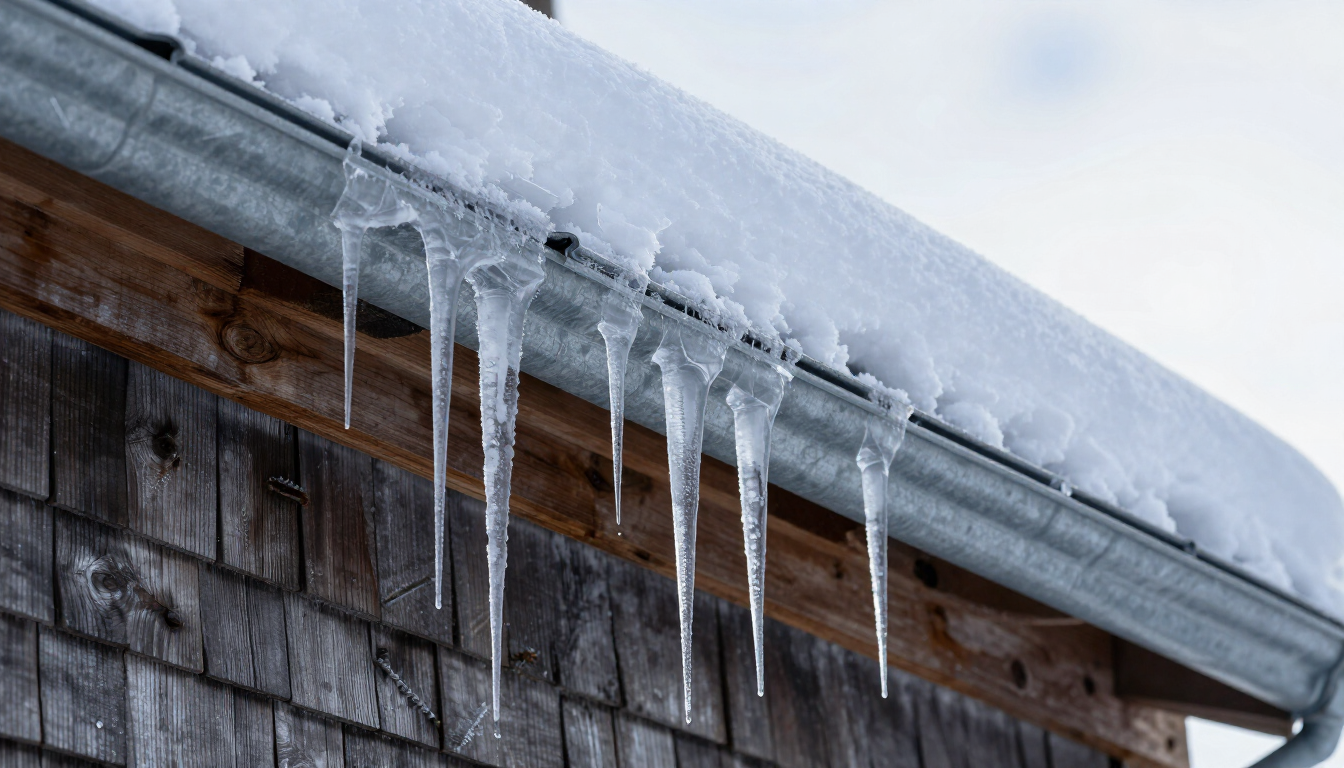
Meltwater runs downward until it reaches the colder overhang, where it freezes. More melting and refreezing gradually builds a ridge of ice. The dam prevents water from following its normal path into the gutters and away from the house.
Maine’s climate makes this cycle common. Heavy snowfall, freezing nights, coastal humidity, wind, and repeated thaws can combine to create persistent roof moisture. Homes in Camden, Rockland, and Lincolnville may be especially vulnerable when older construction has uneven insulation or limited attic ventilation.
How do ice dams damage a roof and home?
An ice dam is not simply a winter nuisance. It can create several pathways for water damage:
- Roofing materials: Standing water can work beneath shingles, loosen flashing, and deteriorate underlayment.
- Roof sheathing: Repeated moisture exposure can stain, soften, or rot the wood beneath the roof covering.
- Gutters and trim: Heavy ice adds weight and can pull gutters, fascia, and eaves away from the home.
- Attics and insulation: Leaks can wet insulation, reduce its effectiveness, and encourage mold growth.
- Ceilings and walls: Water may appear as brown stains, peeling paint, bubbling drywall, or damp wall cavities.
Because water can travel along rafters before appearing indoors, the visible ceiling stain may be far from the original entry point. A small leak should therefore receive attention before it becomes a larger structural repair.
What are the warning signs of an ice dam?
Watch for these signs during and after snow or freezing rain:
- A thick band of ice along the lower roof edge.
- Icicles that are unusually large, numerous, or connected to gutters.
- Water stains, peeling paint, or damp spots on ceilings and upper walls.
- Dripping near attic hatches, skylights, chimneys, or exterior walls.
- Sagging gutters, detached downspouts, or damaged fascia.
- Frost or visible moisture on the underside of roof sheathing in the attic.
Not every icicle indicates a serious ice dam. However, ice combined with interior moisture or a continuous ridge along the eaves warrants a professional assessment.
How do roof condition and ventilation affect ice dams?
Roof condition and attic performance work together. Missing or damaged shingles, failed flashing, exposed fasteners, and aging underlayment make it easier for backed-up water to enter. A roof may appear serviceable from the ground while hidden deterioration is developing beneath the ice.
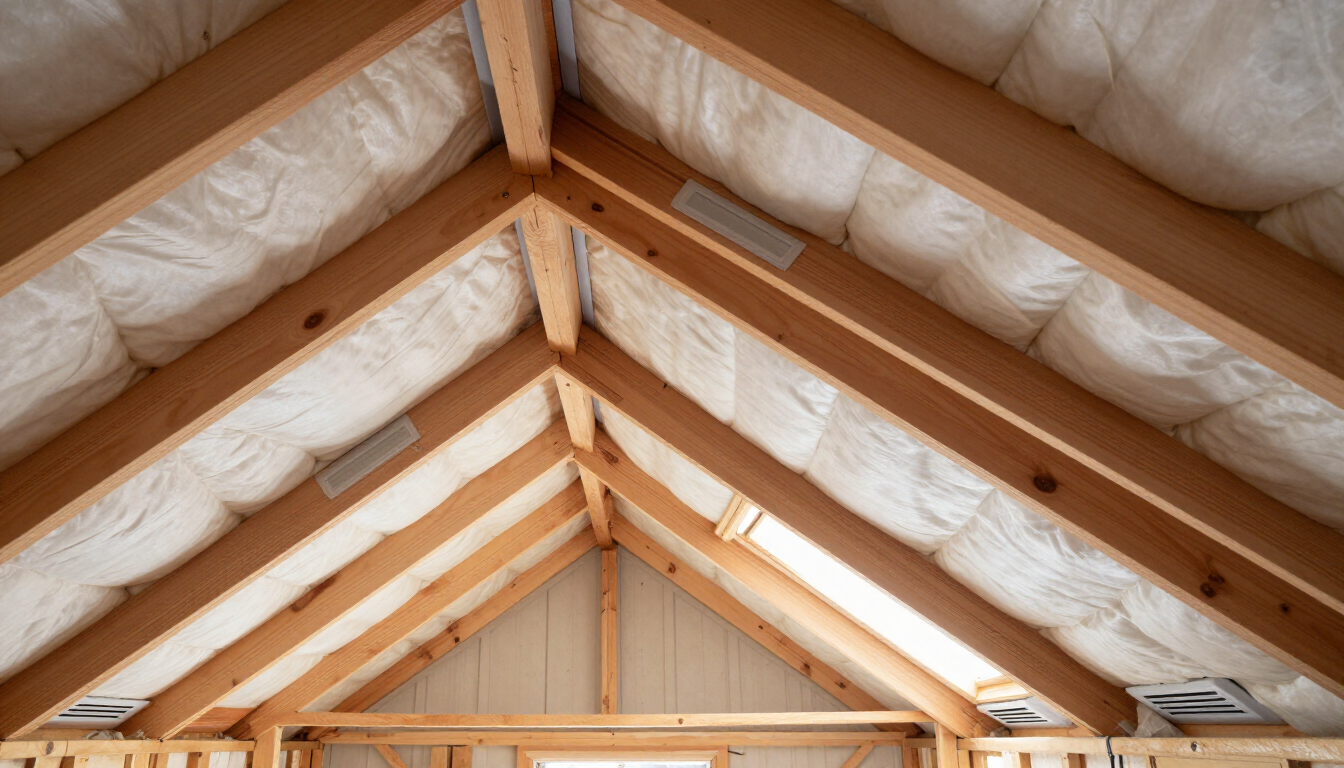
Ventilation also matters. A properly designed system allows air to move from soffit vents toward ridge or gable vents, helping keep the roof deck closer to outdoor temperature. Insulation reduces heat transfer from the house into the attic. Air sealing is equally important because insulation alone does not stop warm indoor air from escaping.
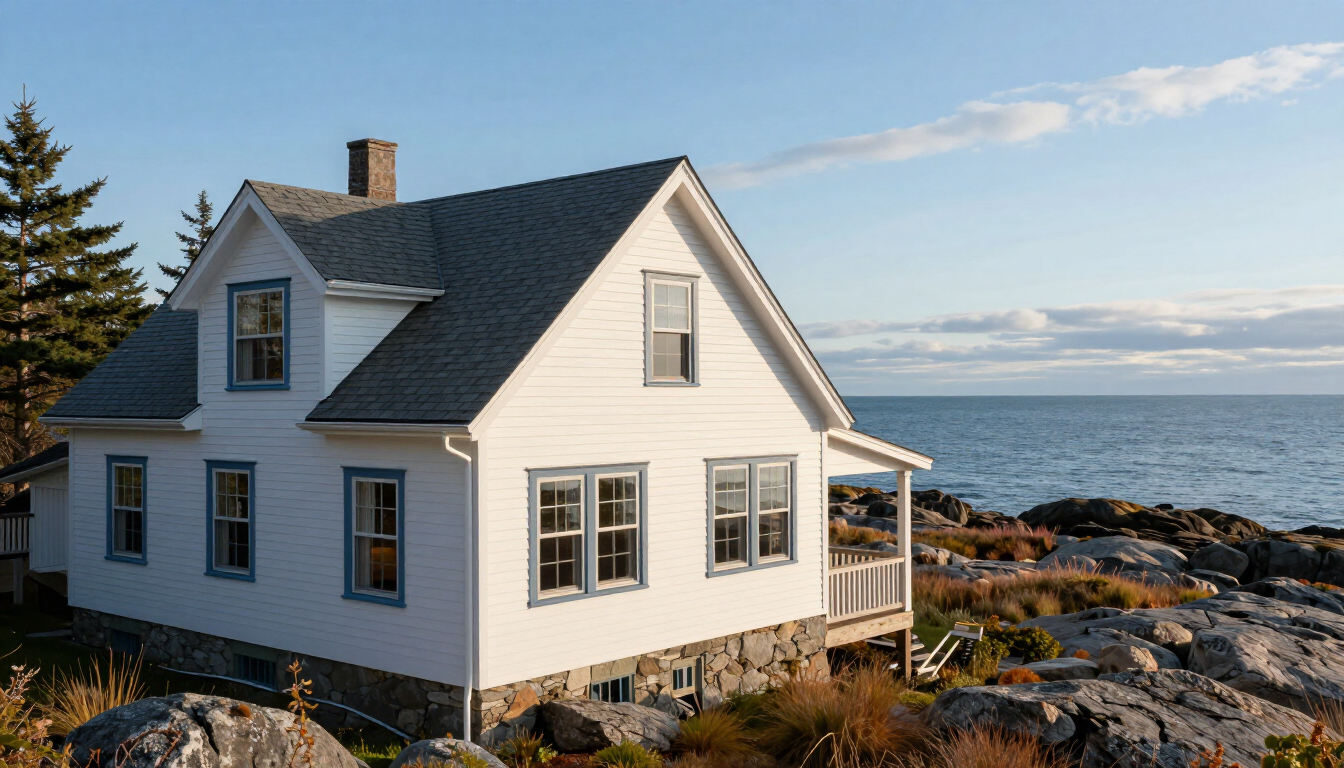
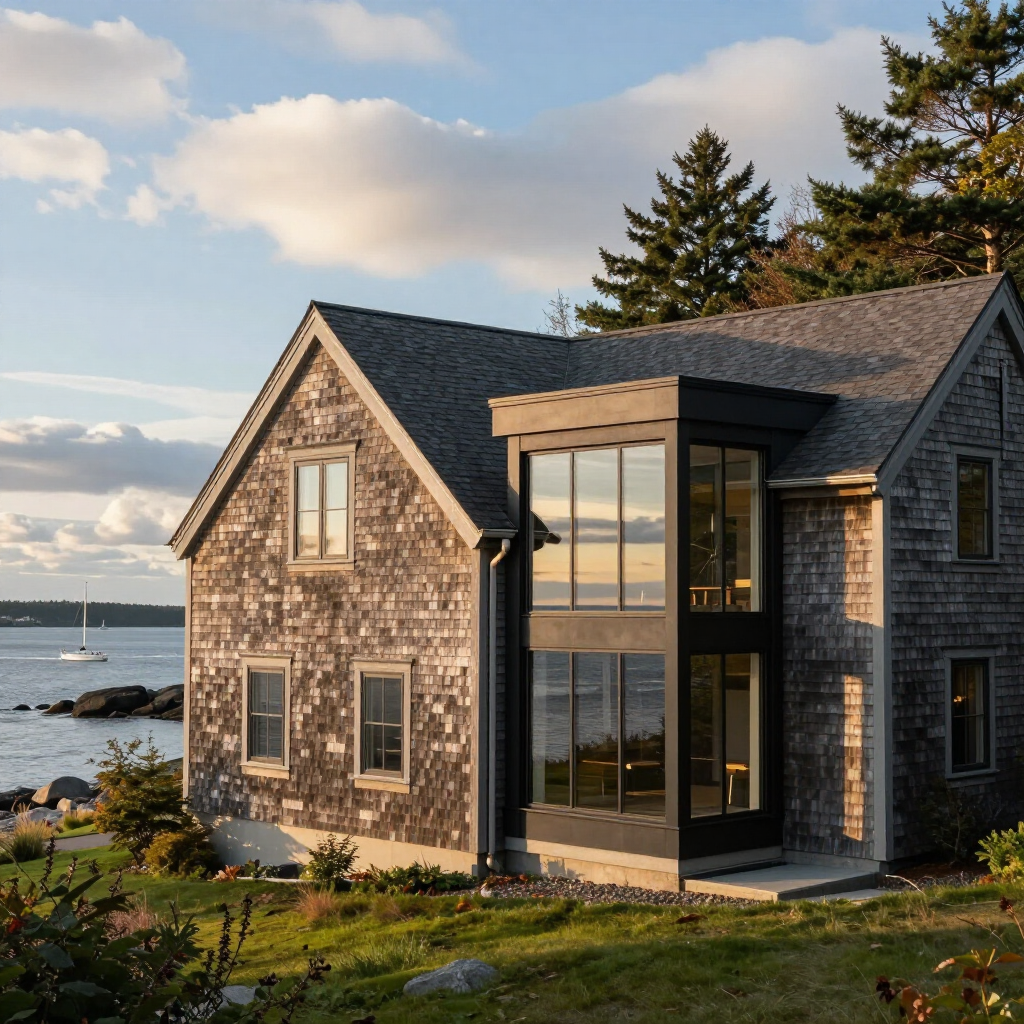
Older homes often need a customized approach. Renovations, additions, enclosed soffits, and past repairs can interrupt airflow. For homes with historic character, improvements should protect the original structure while preserving important architectural details. Granite Coast Builders provides historic home renovations and can help evaluate how roofing, insulation, and ventilation work together.
Five ways to reduce ice-dam risk
- Improve attic insulation: Reduce heat loss through the ceiling while maintaining required ventilation channels.
- Air-seal attic leaks: Seal gaps around penetrations, hatches, and fixtures so warm air does not enter the attic.
- Maintain roof drainage: Keep gutters and downspouts clear and confirm that water can flow away from the foundation.
- Inspect roofing details: Repair worn shingles, flashing, valleys, and underlayment before winter weather arrives.
- Remove snow safely: After major storms, use a qualified professional rather than climbing onto an icy roof or chopping at the dam.
These steps reduce risk but cannot guarantee that an ice dam will never form. Roof design, weather exposure, insulation levels, and the home’s age all affect the result.
When should you repair or replace a roof?
A roof repair may make sense when the damage is localized and the rest of the roofing system remains in good condition. Typical repair situations include a few missing shingles, isolated flashing failure, a small gutter problem, or limited damage around a vent or chimney.
Roof replacement deserves consideration when you see widespread shingle granule loss, repeated leaks, curling or brittle shingles, extensive moss, sagging areas, rotted sheathing, or a roof near the end of its expected service life. Recurring ice-dam leaks may also indicate that replacing the roof alone will not solve the underlying problem. Insulation, air sealing, ventilation, and drainage should be evaluated at the same time.
A professional inspection can identify whether damage is cosmetic, localized, or structural. Granite Coast Builders offers roofing services and can explain practical options for older and newer homes throughout the Midcoast.
Should homeowners remove an ice dam themselves?
Homeowners should avoid standing on an icy roof, striking ice with tools, or using open flames, salt, or improvised heating devices. These methods can damage shingles, start a fire, harm gutters, or create falling-ice hazards.
For an active leak, place a container beneath the drip, move valuables away, and document affected areas. Contact a qualified contractor for safe assessment and temporary protection. If water is near electrical fixtures, turn off the affected circuit only if it is safe to do so and contact an electrician when necessary.
A practical next step for Midcoast homeowners
Ice dams on Maine homes usually point to a combination of snow, heat loss, ventilation limits, roof condition, and drainage problems. Look for ice along the eaves, ceiling stains, damp attic materials, and failing gutters—especially after repeated freeze-thaw cycles. Do not wait for a small leak to become structural damage. Compare repair and replacement options after a professional inspection that includes the roof, attic, and drainage system. For help in Camden, Rockland, Lincolnville, and nearby communities, contact Granite Coast Builders at (207) 408-8504 .