
Hardwood Flooring Installation in Older Maine Homes: A Guide

August 17, 2026

Share this article

Hardwood flooring installation in older Maine homes requires leveling uneven subfloors, managing high coastal humidity, and respecting the structural movement of historic timber frames. Success depends on proper acclimatization, reinforcing saggy floor joists, and choosing species that withstand the Midcoast's seasonal shifts while preserving the home's authentic character.

How do you handle uneven subfloors in historic homes?

One of the most common challenges in historic home renovation is dealing with floors that have settled over a century or more. In towns like Camden and Rockport, many homes feature original settle patterns where the center of the house has dipped or individual rooms lean toward the exterior walls. Before any new hardwood can be laid, the foundation beneath it must be sound.

To achieve a level surface, builders often use a combination of methods. This might include sistering new joists to existing ones to provide a flat plane, or using self-leveling compounds in minor depressions. For more significant slopes, a flooring contractor might need to install a new plywood subfloor over the original wide-plank sheathing. This creates a stable "sandwich" that prevents the new hardwood from creaking or gapping as the house moves.

When evaluating an old floor, we look for:

  • Areas of significant structural sag or joist decay
  • Squeaks that indicate loose nails or rubbing boards
  • Existing moisture damage near historic window frames
  • Floor height transitions between renovated and original rooms
  • Potential clearance issues for original interior doors

What makes timber-frame flooring unique?

Timber-frame houses, common in the Midcoast region, possess a unique structural logic. Unlike modern stick-built homes, these structures rely on large, hand-hewn beams joined with mortise and tenon joints. As these massive timbers expand and contract with the Maine seasons, the floors often follow suit.

Installing hardwood in this environment requires an understanding of how the house "breathes." If you nail down a rigid floor without accounting for this movement, you risk buckling in the summer or wide gaps in the winter. Often, we recommend wide-plank flooring that mimics the original aesthetic but is engineered for modern stability, or traditional solid wood with carefully calculated expansion gaps hidden beneath custom-milled baseboards.

Selecting the Right Wood for Midcoast Maine

Choosing the right species for your home remodeling project is as much about durability as it is about style. While the original floors in many Maine farmhouses were pumpkin pine or spruce, these softwoods show wear quickly. For modern families in Belfast or Northport, harder species are often preferred for their longevity.

White Oak is a perennial favorite for historic homes because of its closed grain and natural resistance to rot—a vital trait in coastal environments. It takes stains beautifully, allowing homeowners to match the deep, aged tones of original woodwork. Alternatively, Hickory offers a rustic look with extreme hardness, though its dramatic color variations may feel too busy for a formal Federal-style dining room.

Consider these factors when choosing your species:

  • Janka hardness rating for high-traffic areas like kitchens
  • Stability of the wood species in fluctuating humidity
  • Grain pattern compatibility with existing historic trim
  • Availability of sustainable, regionally sourced lumber
  • Cost-effectiveness for large-scale home additions

How does humidity affect hardwood in older Maine houses?

Living on the coast means dealing with significant swings in relative humidity. In the summer, fog and sea breezes bring moisture into the home; in the winter, wood-burning stoves and heating systems dry the air out completely. This cycle is the primary enemy of hardwood flooring.

In older homes, which often lack the tight vapor barriers of new construction, the floors are even more susceptible. Acclimatization is the most critical step in the installation process. We deliver the wood to the job site and let it sit in the room where it will be installed for at least 10 to 14 days. This allows the moisture content of the new planks to reach equilibrium with the house’s environment, preventing the wood from shrinking or expanding drastically after it is nailed down.

Preparing the Foundation: Subfloor Reinforcement

Before we begin the actual hardwood flooring installation in older Maine homes , we often have to address the "bounce" found in many historic structures. Over time, original floor joists can lose their stiffness, or they may have been notched poorly by previous generations of plumbers or electricians.

Reinforcing the foundation involves more than just adding nails. We may install bridging between joists to distribute weight more evenly or add a layer of high-quality 3/4-inch plywood. This creates a rigid substrate that ensures the new hardwood feels solid underfoot, rather than feeling like a trampoline. In some cases, we also install a moisture-retardant underlayment to provide an extra layer of protection against the damp Maine ground, especially in homes with crawlspaces or older stone foundations.

Finished hardwood floor in Maine home

What should you expect during the installation process?

Working with an experienced builder in Belfast or Rockport means the process will be transparent and organized. For a historic renovation, the timeline is often slightly longer than a standard new build because of the prep work involved. You can expect the following phases:

  1. Demolition and Inspection : Removal of old carpets or damaged flooring to inspect the subfloor.
  2. Structural Remediation : Leveling, shimming, and reinforcing joists as needed.
  3. Underlayment Installation : Laying down vapor barriers or acoustic padding.
  4. Laying the Wood : Careful placement of planks to ensure a natural blend of colors and grains.
  5. Sanding and Finishing : Applying stains and protective coats to bring out the wood's natural beauty.

Throughout the project, communication is key. We ensure that homeowners are aware of how the floor height might change and how that impacts existing elements like radiators, built-in shelving, or historic baseboards.

Summary of Hardwood Flooring Success in Maine

Updating the floors in a historic Midcoast home is a rewarding investment that blends modern comfort with timeless character. By focusing on subfloor preparation and moisture management, you ensure that your new hardwood lasts for another century. Whether you are restoring a sea captain’s house in Camden or a timber-frame cottage in Lincolnville , the right materials and techniques make all the difference.

Key Takeaways:

  • Prioritize leveling and reinforcing the subfloor to prevent future squeaks.
  • Allow at least two weeks for the wood to acclimate to your home's humidity.
  • Select durable species like White Oak for coastal resilience.
  • Work with a contractor who understands the unique movement of historic structures.

Ready to transform your historic home? Contact us today to schedule a consultation and receive a thorough estimate for your flooring or renovation project.

Recent Posts

Modern coastal kitchen remodel in Camden Maine with white cabinetry.
August 31, 2026
Expert guide to kitchen remodeling in Camden, ME. Explore layout ideas, material choices, and planning tips for Midcoast Maine homeowners.
Professional roofing installation in Midcoast Maine
August 3, 2026
Learn the signs of roof damage, material options for Maine's climate, and our professional replacement process for homes in Camden, Lincolnville, and Northport.
A beautiful custom-built deck in Midcoast Maine overlooking the ocean.
July 21, 2026
Planning a new deck in Camden or Rockport? Learn about the best weather-resistant materials and design options for coastal Maine homes in our expert guide.
A beautiful home addition in Midcoast Maine blending with traditional architecture.
July 21, 2026
Compare the pros and cons of building a home addition versus moving in Midcoast Maine. Learn about costs, local market trends, and lifestyle benefits.
New siding on a coastal Maine home in Camden
June 25, 2026
Planning a siding project in Midcoast Maine? Learn about the best materials for coastal weather, estimated costs, and expert tips from Granite Coast Builders.
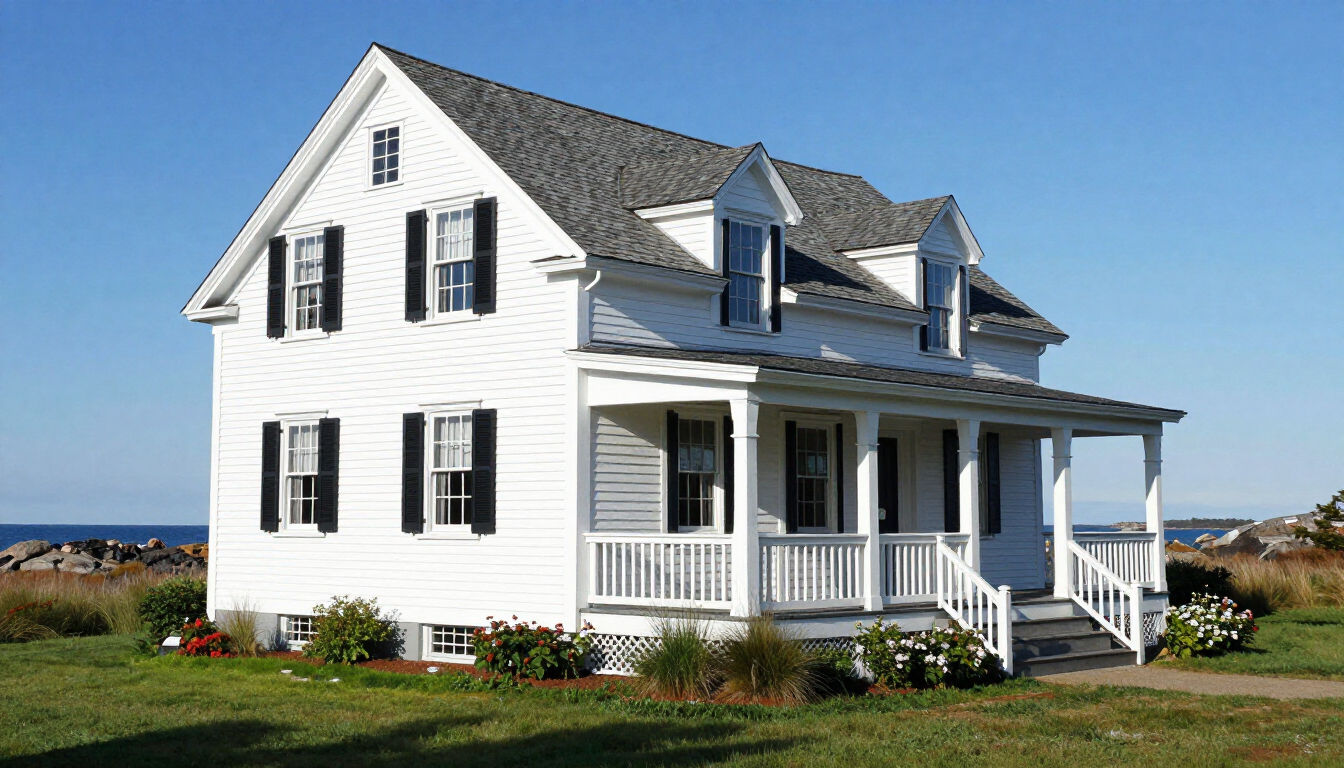
A beautifully restored historic home in Midcoast Maine showcasing coastal architecture.
June 8, 2026
Planning a historic home renovation in Midcoast Maine? Discover essential tips on preservation, modernizing older structures, and local regulations in Camden, Rockport, and beyond.