Home Addition vs. Moving: How to Choose in Midcoast Maine
Deciding between a home addition or moving in Midcoast Maine involves evaluating your budget, current home equity, and neighborhood ties. If you love your location but need more space, a home addition is often more cost-effective than the combined expenses of selling, buying, and relocating to a new property.
Why is staying put becoming popular in Camden?
In recent years, the real estate landscape in Midcoast Maine—specifically in towns like Camden, Rockport, and Belfast—has shifted significantly. Many homeowners find themselves in a "lock-in" effect. You may have a fantastic mortgage rate or a property that has appreciated substantially, making the prospect of a new, higher-rate mortgage and a competitive buying market less than appealing.
When you choose to stay, you aren't just keeping a house; you are keeping your community. You know your neighbors, your commute is established, and your children are settled in local schools. For many in our region, the unique charm of a harbor-view lot or a quiet wooded acre in Northport is irreplaceable. Finding a comparable property in the current market can be both exhausting and expensive. This is why many are turning to custom home building expertise to modify their existing footprint rather than handing over a "For Sale" sign.
How much does a home addition cost vs. moving?
Financial considerations are usually the primary driver in this debate. To make an informed choice, you have to look beyond the sticker price of construction and consider the "lost" capital associated with a real estate transaction.
Common costs associated with moving:
- Real estate agent commissions (typically 5-6% of your home's sale price)
- Home staging and pre-sale repairs
- Closing costs and title insurance on the new purchase
- Physical moving expenses and storage fees
- Potential increases in property taxes and homeowners insurance
When you add these up, you might find that you are spending $40,000 to $70,000 just to change your zip code, without even increasing your square footage or quality of life. Conversely, investing that same amount into a home remodeling project or a strategic addition directly increases the value of your current asset. You aren't paying fees to a middleman; you are paying for lumber, labor, and a better kitchen. For homeowners in Rockport, ME , where property values remain robust, these investments almost always yield a high return on investment (ROI).
Is your current home suitable for a major renovation?
Before you commit to a project, it is essential to determine if your house and lot can actually handle the expansion. Not every property is a candidate for a massive footprint extension. At Granite Coast Builders, we help homeowners evaluate several technical factors:
- Lot Coverage and Setbacks: Towns like Camden and Belfast have specific zoning ordinances regarding how close you can build to your property line and how much of your lot can be covered by structures.
- Septic and Utility Capacity: If you are adding bedrooms, your septic system may need an upgrade to meet Maine state codes.
- Structural Integrity: Adding a second story requires a foundation and framing that can support the additional weight.
- Topography: Midcoast Maine is known for its ledge and slopes. Excavation for a new wing might involve blasting or complex drainage solutions.
Why historic home character matters in Maine
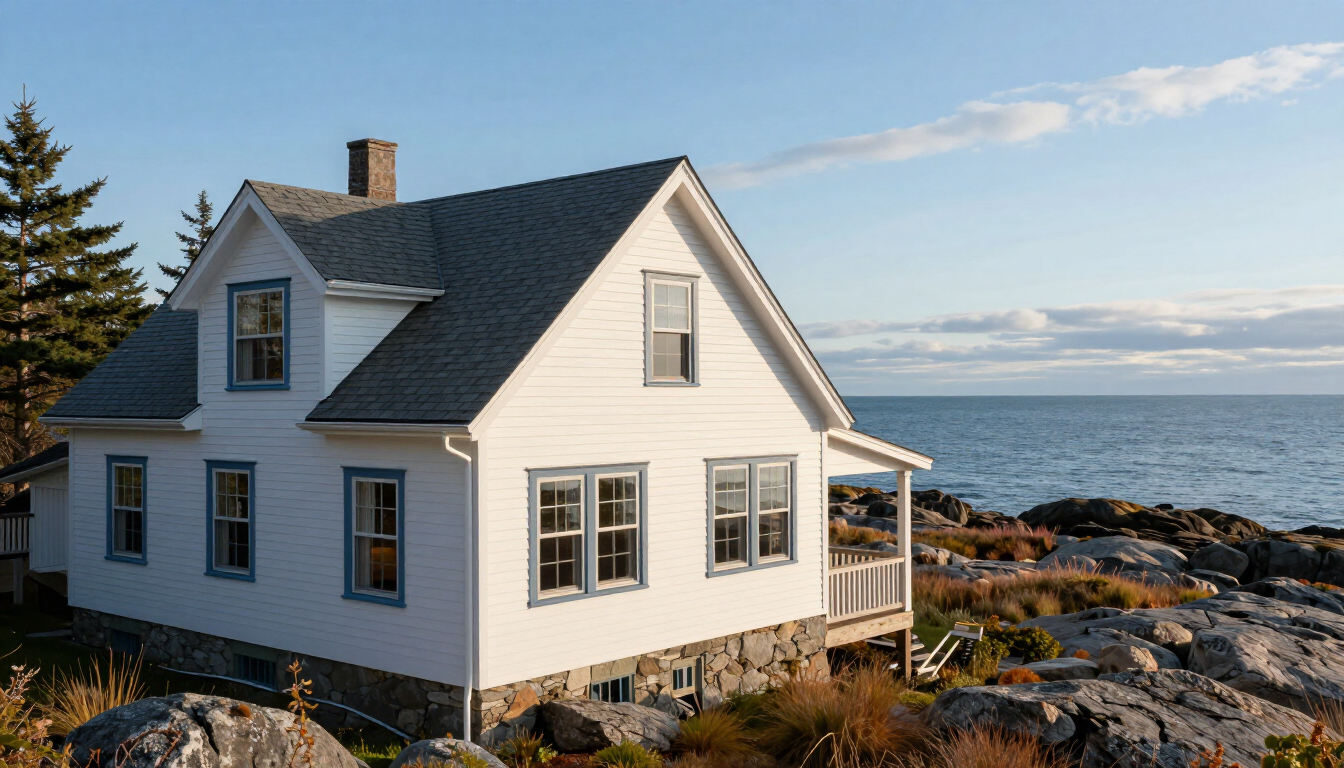
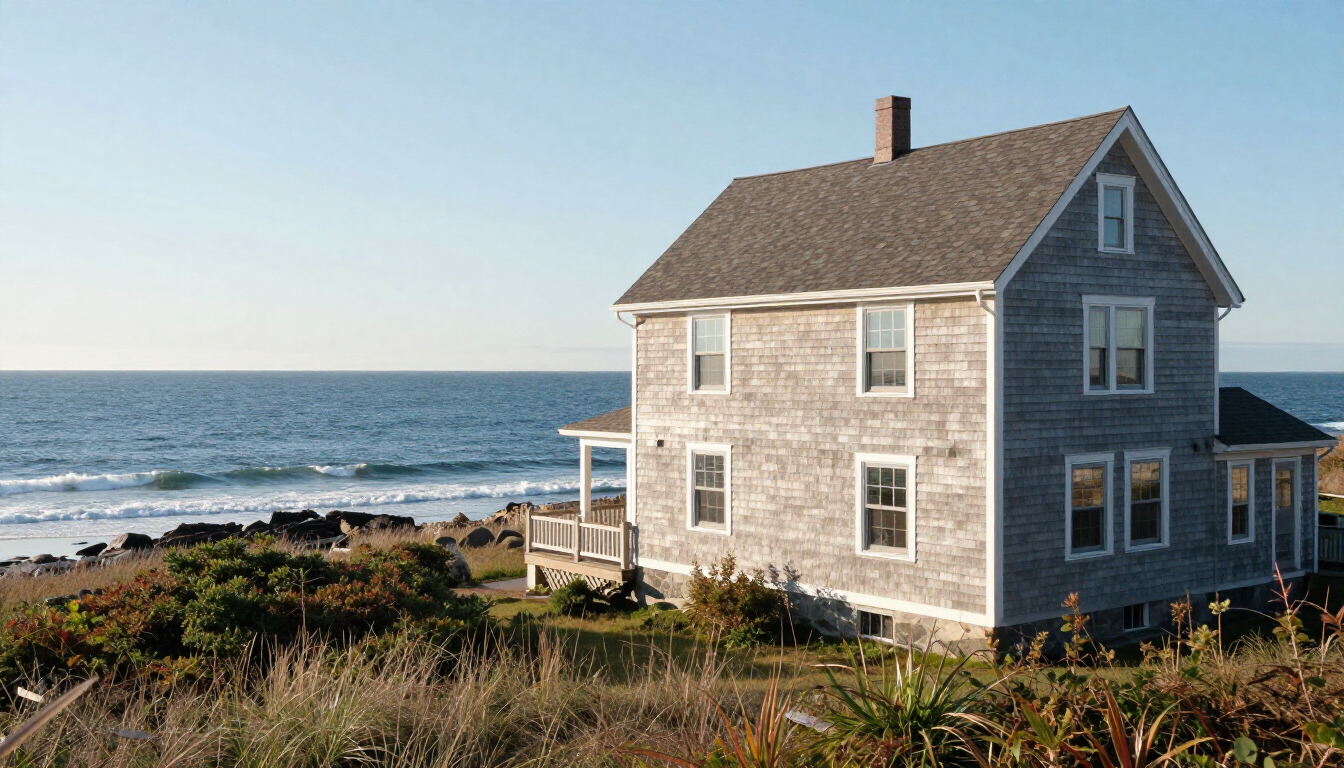
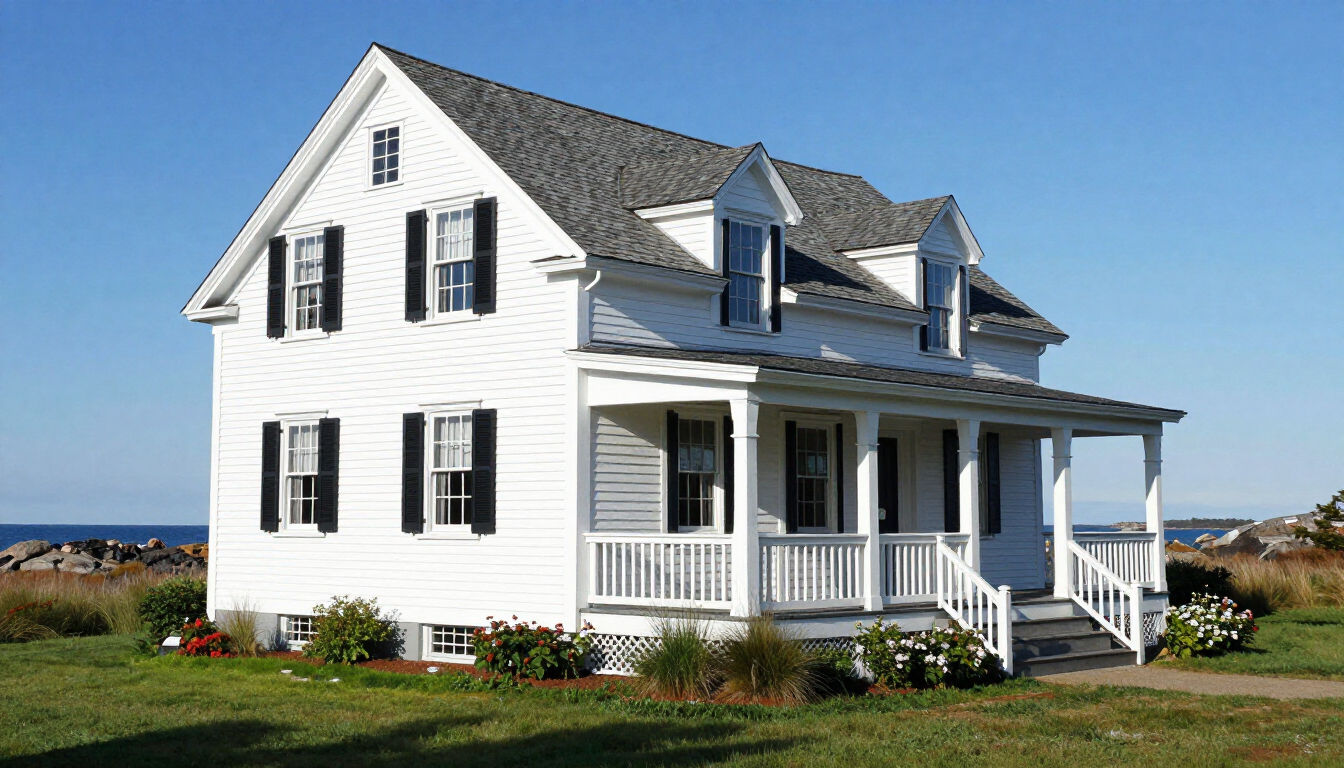
Many homes in our region are decades, or even centuries, old. If you live in a classic New England cape or a Victorian-era house, you possess a piece of history. A major concern for many is that an addition will look like a "stuck-on" box that ruins the aesthetic. This is where specialized experience in historic home renovations becomes critical.
Matching rooflines, sourcing period-correct siding, and replicating intricate trim work are all part of the process. When done correctly, an addition should look like it has always been there. We focus on maintaining the soul of the home while updating the functionality. This might mean keeping the original hand-hewn beams in the main house while creating a modern, airy master suite in the new wing. It’s the best of both worlds: historic charm and modern convenience.
What are the most common types of additions?
If you've decided to stay, the next question is how to add the space. The right choice depends on your specific needs:
- The Bump-Out: A small expansion (5-10 feet) to enlarge a kitchen or add a bathroom without requiring a full new foundation.
- Full Wing Addition: Adding a multi-room section, often used for in-law suites or primary bedrooms.
- Story Addition: Building up instead of out, which is ideal for small lots in town centers.
- Garage Conversions: Turning an underutilized garage into a finished living space or home office.
Managing the stress of remodeling vs. relocating
Both moving and remodeling sit high on the list of life's stressors. Moving requires packing every single item you own, deep cleaning, and the emotional toll of leaving a familiar space. Remodeling, on the other hand, means living in a construction zone or temporarily relocating while work is performed.
However, the stress of a renovation is often more predictable. With clear communication and a dependable builder, you can map out exactly when the dust will be cleared. When moving, you are at the mercy of the market, the buyer's mortgage approval, and the reliability of the sellers of your new home. For many families in Lincolnville and Northport , the controlled chaos of a home project is preferable to the uncertainty of a real estate move.
Benefits of building an addition in Midcoast Maine
Beyond the financial and emotional aspects, there are several practical advantages to choosing an addition:
- Total Customization: When you buy a new house, you are buying someone else's choices. When you build an addition, every outlet, window placement, and floor finish is selected by you to fit your lifestyle.
- Increased Equity: You are directly increasing the square footage and marketability of your home.
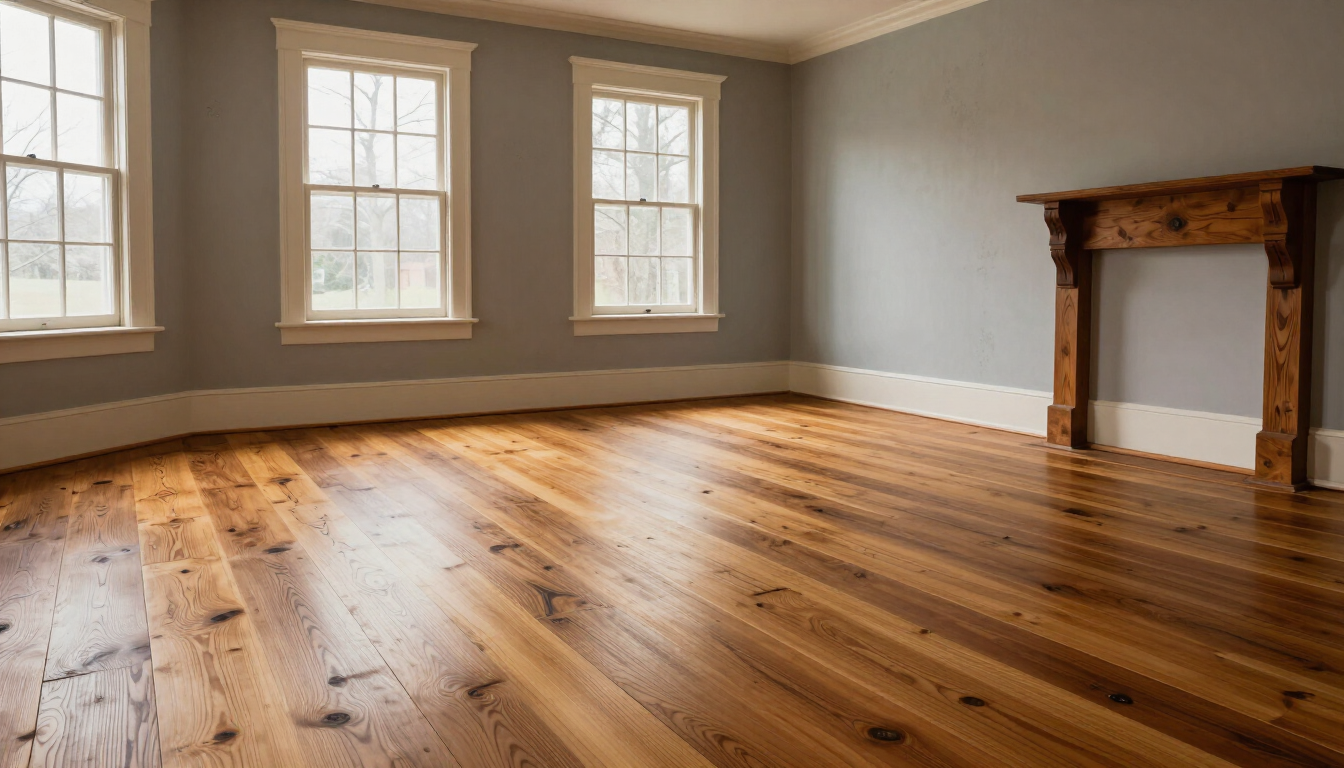
- Phased Improvements: You can often combine an addition with other updates, like a new roof or upgraded siding, through a roofing contractor or siding contractor service, ensuring your entire exterior is cohesive and durable.
- Sustainability: It is often more environmentally friendly to renovate and expand an existing structure than to build a completely new home from scratch on a greenfield site.
Final Summary and Next Steps
Ultimately, the choice between moving and building an addition comes down to your long-term goals. If you love your location but hate your floor plan, building an addition is almost always the superior choice. It allows you to stay in the community you love while creating a home that functions exactly how you need it to. Conversely, if you are unhappy with your neighborhood, no amount of square footage will solve that problem.
Quick Takeaways for Your Decision:
- Check the Market: Compare the cost of local listings in Midcoast Maine to the quote for a home addition .
- Evaluate Your Lot: Ensure your land can support the expansion through a professional site visit.
- Audit Your Expenses: Don't forget to include real estate commissions and moving fees in your relocation budget.
- Consult a Pro: Reach out to a builder who understands the unique climate and architectural heritage of Maine.
If you’re ready to explore the possibilities of your current home, the team at Granite Coast Builders is here to help. We offer thorough estimates and a commitment to quality craftsmanship that ensures your new space is as dependable as it is beautiful. Whether you are in Camden, Rockport, or beyond, let’s talk about how to make your current home your forever home. Contact us today to start the conversation.