Choosing the Best Siding for Your Maine Home (2026 Guide)

June 25, 2026

Share this article

Choosing the best siding for a Maine home requires balancing durability against harsh coastal salt, heavy snow, and high humidity. Fiber cement, cedar shingles, and high-quality vinyl are the top choices. Fiber cement offers the best fire and rot resistance, while cedar provides unmatched historic character for Midcoast properties.

Selecting the right exterior for your home is one of the most significant decisions you’ll make as a homeowner in Midcoast Maine. Whether you are building a new custom home in Camden or restoring a beautiful historic property in Rockport, the siding you choose acts as the first line of defense against the elements. It’s not just about curb appeal; it’s about structural integrity, energy efficiency, and long-term maintenance costs. At Granite Coast Builders, we’ve seen firsthand how Maine’s unique climate—ranging from freezing winters to humid, salty summers—can take a toll on inferior materials.

In this guide, we will break down the best siding materials for our region, the costs you can expect, and how to navigate the specific challenges of living on the Maine coast. If you're currently planning an exterior refresh, our Siding Contractor services are designed to help you make the most informed choice for your specific property.

What is the best siding for Maine’s coastal climate?

The best siding for Maine’s coastal climate is fiber cement (James Hardie) because it is engineered to withstand extreme temperature fluctuations, high moisture, and salt spray without rotting or warping. For homeowners prioritizing traditional aesthetics, Eastern White Cedar is the premium natural choice, as it contains natural oils that resist decay.

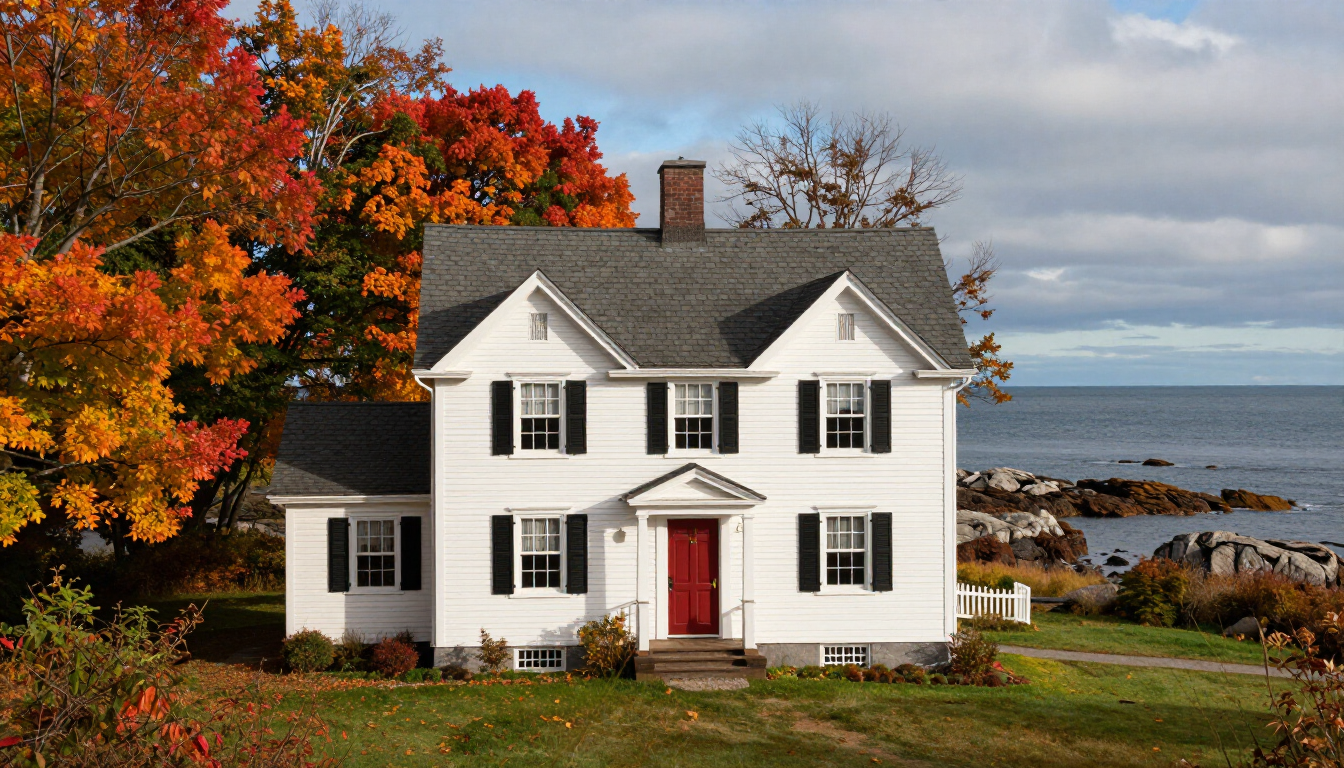
When we talk about "coastal climate" in towns like Northport or Lincolnville, we aren't just talking about a nice breeze. We are talking about sustained winds, driving rain, and the constant presence of salt in the air. This salt can be corrosive to certain finishes and can accelerate the breakdown of lower-quality materials. Here are the primary factors that make Maine's weather so tough on siding:

  • Moisture and Humidity: Midcoast Maine experiences significant humidity in the summer and damp conditions in the spring. This can lead to mold, mildew, and rot if the siding isn't properly ventilated or if the material itself absorbs water.
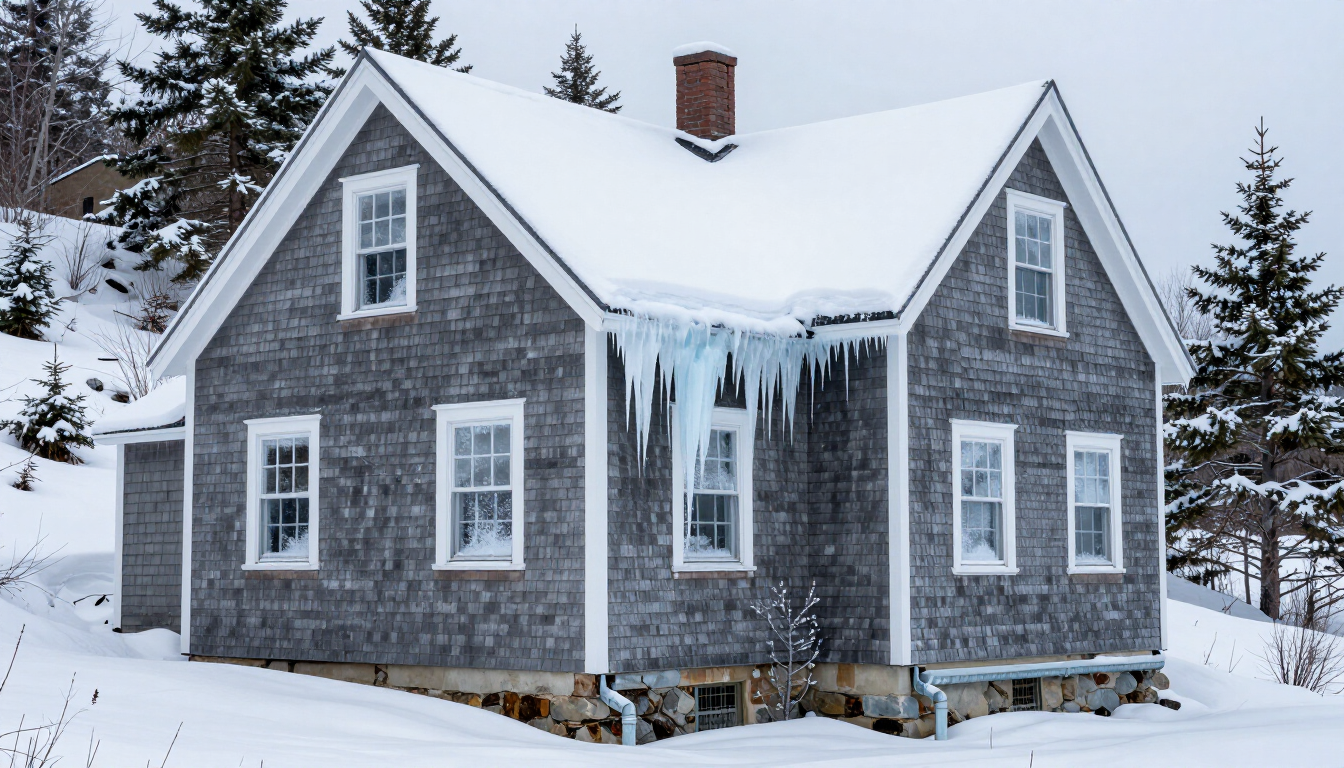
  • Freeze-Thaw Cycles: Water can get behind siding, freeze, expand, and then thaw. This cycle can crack masonry or brittle plastics. Materials that stay stable during temperature swings are essential.
  • Salt Air Corrosion: If you live within a few miles of the Penobscot Bay, salt air is a constant. It can eat away at metal components and cause paint to peel faster than it would inland.
Coastal Maine Home Siding

Top Siding Materials for Durability and Aesthetics

When evaluating siding, you generally have four main categories to choose from. Each has its own set of pros and cons regarding longevity and look.

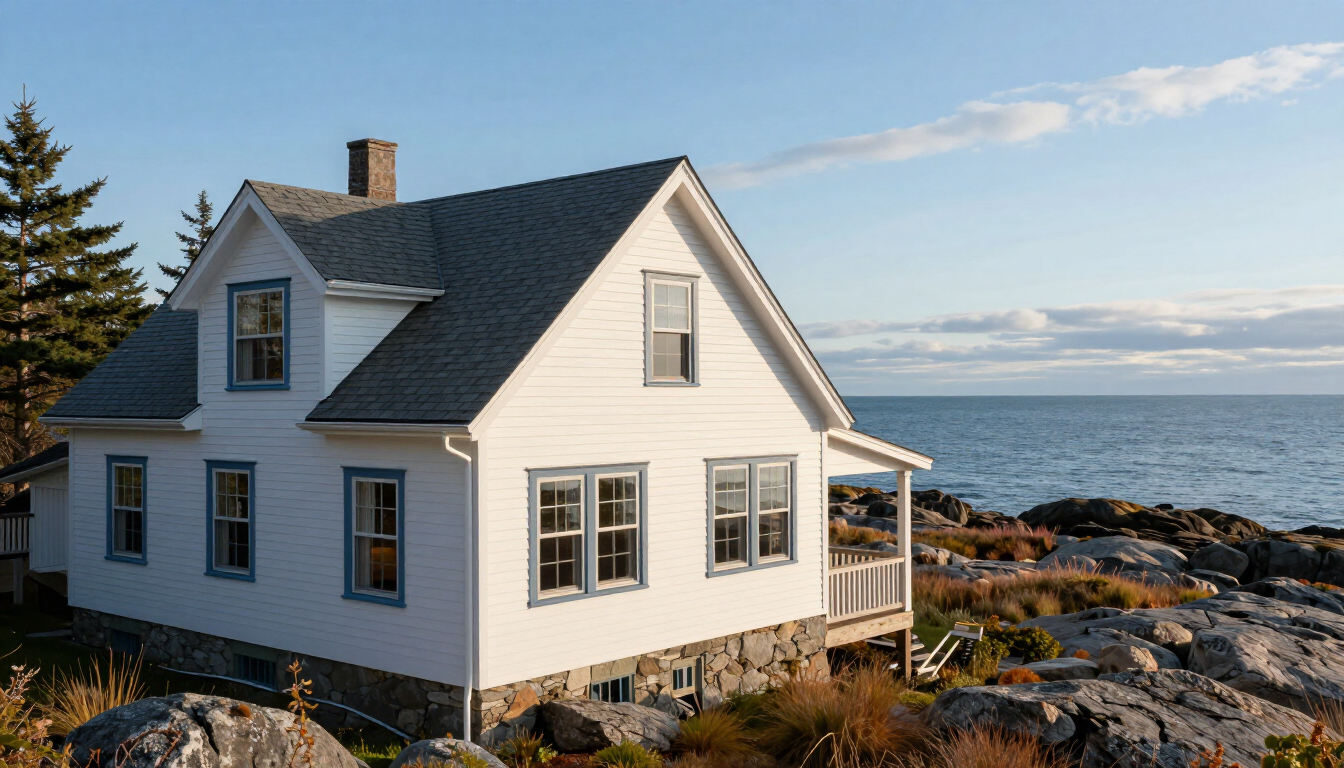
  1. Fiber Cement: Often called "Hardie Board," this is a composite made of cement, sand, and cellulose fibers. It mimics the look of wood but is nearly indestructible. It is non-combustible and won't be eaten by insects.
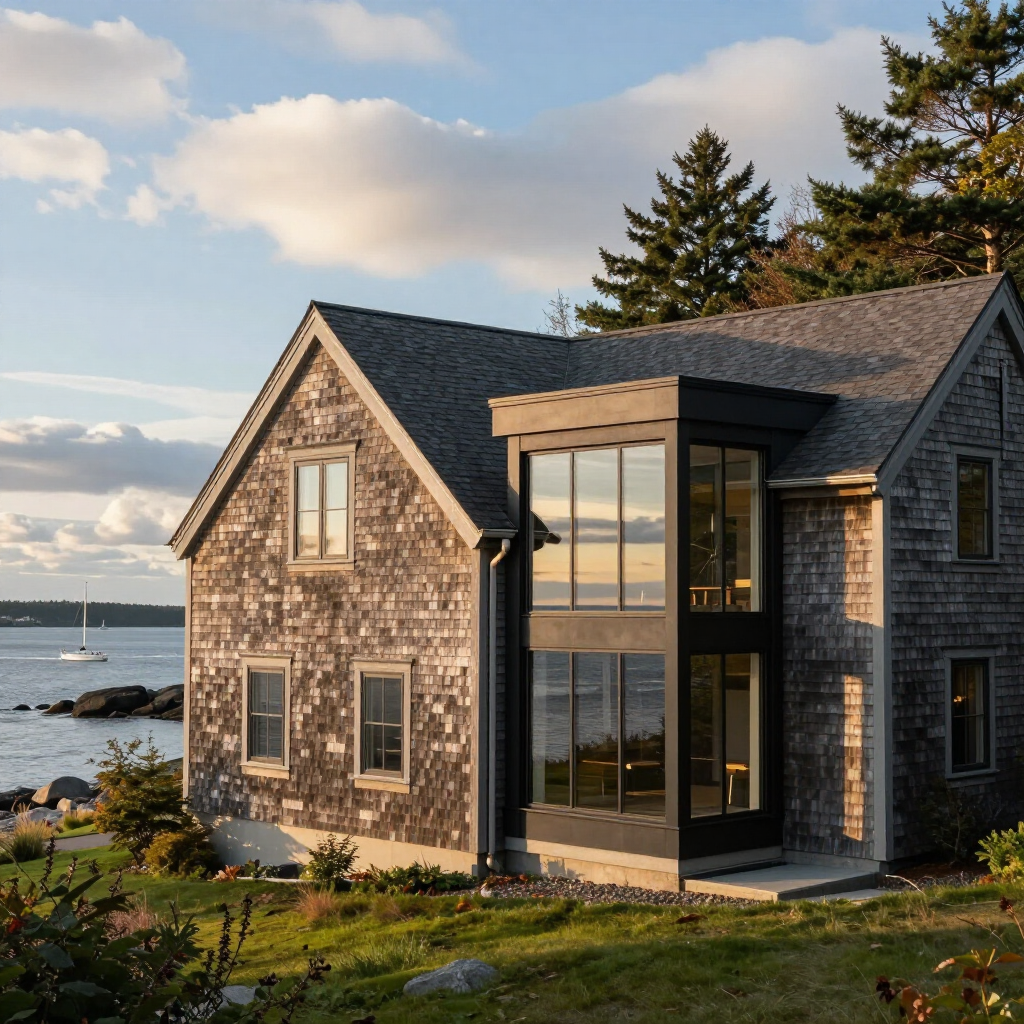
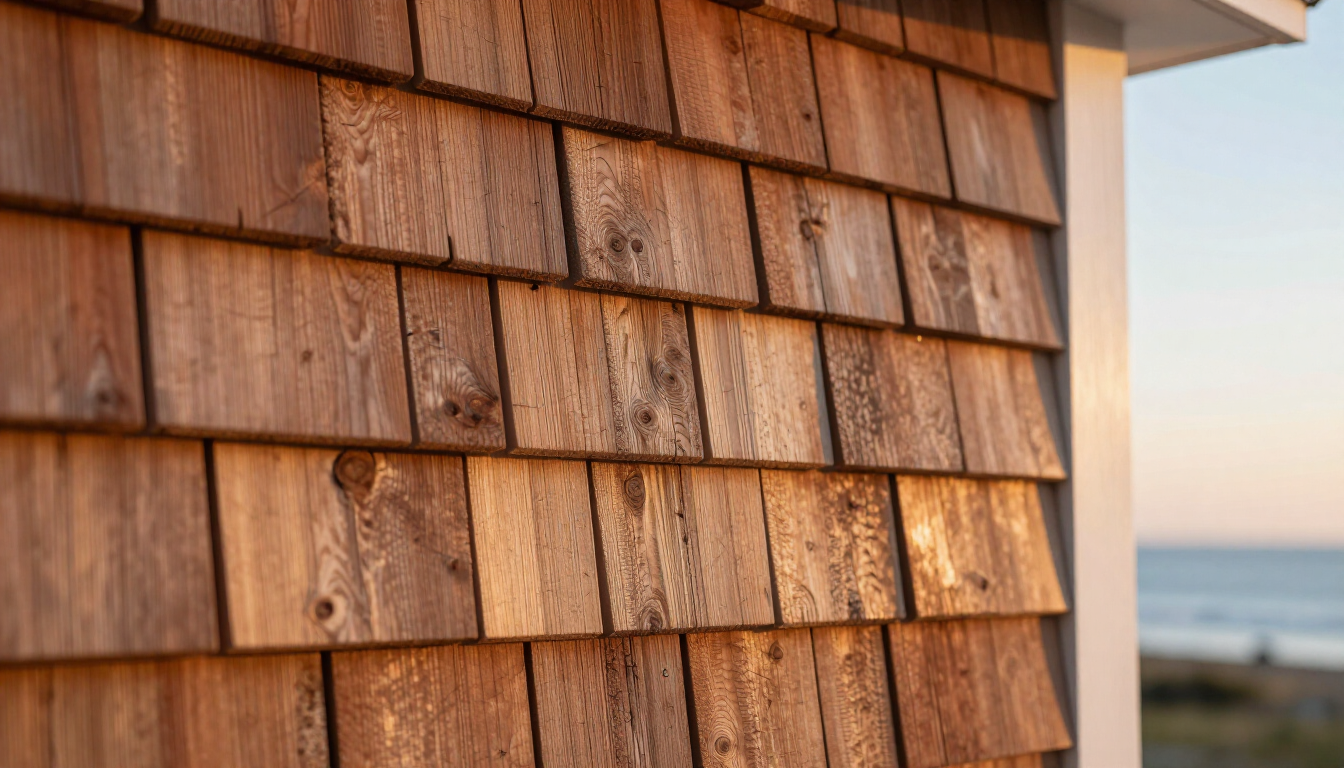
  2. Cedar Shingles and Clapboard: The gold standard for Maine's "shingle style" homes. Cedar is naturally rot-resistant and ages to a beautiful silvery-gray if left untreated, or it can be stained for a crisp look.
  3. Vinyl Siding: Modern vinyl is much more durable than the versions from twenty years ago. It’s cost-effective and low-maintenance, though it lacks the high-end feel of wood or fiber cement.
  4. Engineered Wood: Products like LP SmartSide offer the look of real wood but are treated with waxes and resins to resist moisture and pests better than traditional pine.

Each material requires a different installation approach. For instance, in Historic Home Renovations , we often recommend cedar to stay true to the home's original character while upgrading the underlying moisture barrier to modern standards.

How much does siding replacement cost in Midcoast Maine?

Siding replacement costs in Midcoast Maine typically range from $12,000 to $35,000 for an average-sized home. Vinyl is the most budget-friendly, starting around $5–$8 per square foot installed, while premium cedar or fiber cement can range from $12–$22 per square foot depending on the complexity of the home.

It is important to remember that the "sticker price" of the material is only one part of the equation. As a Custom Home Builder in Camden, ME , we always encourage homeowners to look at the total cost of ownership.

Budget Breakdown by Material

  • Vinyl: $10,000 - $18,000. Lowest initial cost, no painting required.
  • Fiber Cement: $18,000 - $30,000. Moderate to high cost, requires occasional painting, but lasts 50+ years.
  • Cedar: $25,000 - $45,000+. High material and labor cost, requires staining every 5-7 years.

These estimates can vary based on the height of your home, the number of windows and corners, and whether we need to remove and dispose of old lead-based paint siding, which is common in older Belfast or Rockport homes.

Is fiber cement (Hardie Board) worth the investment?

Yes, fiber cement is widely considered the best value for Maine homeowners. While it costs more than vinyl, its ability to resist fire, pests, and rot makes it a "one-and-done" solution. It holds paint significantly longer than real wood, meaning you’ll spend less on maintenance over the decades.

One of the biggest advantages of fiber cement in our region is its weight and thickness. It doesn't rattle in high winds like some vinyl products can, and it provides a much more substantial feel to the home. Plus, if you're planning on Home Remodeling , fiber cement can be painted any color, allowing you to change the look of your home in the future without replacing the siding itself.

Cedar Siding Detail

Why is cedar siding a classic choice for Camden homes?

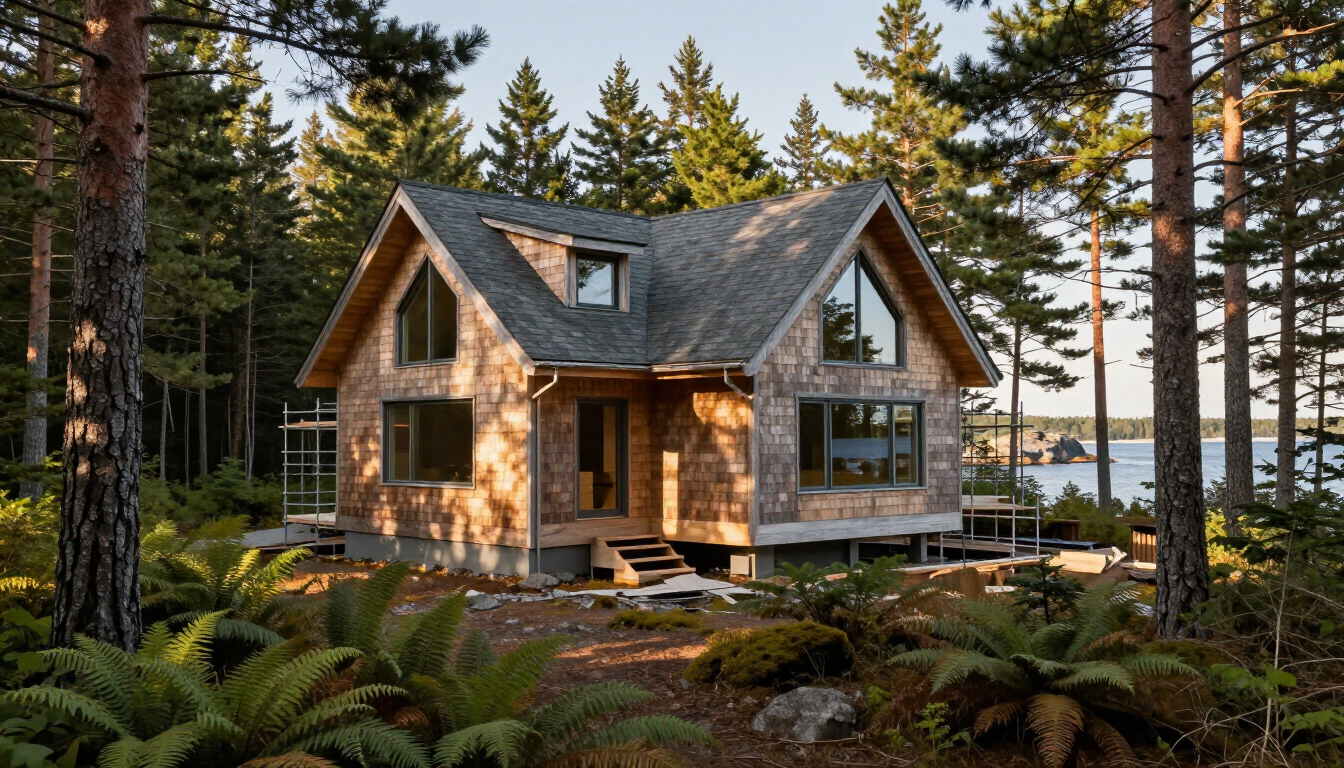
Cedar is the quintessential Maine siding material. It reflects the rugged beauty of the coast and has been used here for centuries. There are two main types: White Cedar and Red Cedar . White cedar is native to the Northeast and is frequently used for shingles (shakes). Red cedar is often used for clapboards because it grows in longer, clearer pieces.

  • Historical Integrity: If you own a Victorian or a classic Cape in Midcoast Maine, cedar is often the only material that looks "right."
  • Natural Insulation: Wood has better natural R-value (insulation) than vinyl or fiber cement.
  • Longevity: If properly maintained with a high-quality stain or clear coat, cedar can last for many decades.

However, cedar does require a commitment. Without maintenance, the moisture in towns like Lincolnville can eventually lead to wood rot, especially on the side of the house that faces the prevailing winds and rain.

Factors That Influence Your Siding Budget

When we provide an estimate for a siding project, we look at several variables beyond just the material choice:

  • Sheathing Repair: Often, once we pull off old siding, we find rot in the plywood or board sheathing underneath. Budgeting for these repairs is essential.
  • Trim and Soffits: Replacing your siding usually means you'll want to update your trim, fascia, and soffits. We recommend PVC trim for a rot-proof, low-maintenance finish.
  • Insulation Upgrades: This is the perfect time to add a layer of rigid foam insulation to the exterior of your home, which can significantly lower your heating bills during Maine winters.
  • Scaffolding and Access: A three-story home on a steep lot in Camden will require more labor and safety equipment than a ranch in Northport .

How often should I replace my home's siding?

You should replace your home's siding every 20 to 50 years , depending on the material. Signs it's time for a replacement include warping, persistent mold, cracked boards, or a sudden increase in energy bills. If you see peeling interior paint or wallpaper, it may mean moisture is penetrating the siding.

In our experience at Granite Coast Builders, many homeowners wait too long to address siding issues. By the time you see visible rot on the outside, the structural studs behind the siding may already be damaged. A proactive approach saves money in the long run, especially before embarking on other projects like Home Additions or Roofing Services .

Expert Siding Installation for Coastal Properties

Installation is just as important as the material. In Maine, we use a "rainscreen" system or high-performance house wraps like Tyvek to ensure that any moisture that gets behind the siding can drain away and dry out. Without this drainage plane, even the most expensive siding will eventually fail.

Thomas Parker and the team at Granite Coast Builders focus on these hidden details. We ensure that every window and door is properly flashed and that all joints are sealed against the wind. This level of care is what differentiates a standard siding job from a high-performance exterior that will protect your family for generations.

Key Takeaways for Your Maine Siding Project

Choosing siding for your Midcoast Maine home is a balance of aesthetics, budget, and environmental resilience. To make the best choice, keep these points in mind:

  • Prioritize Moisture Management: Ensure your contractor uses a high-quality weather-resistive barrier and proper flashing.
  • Consider Maintenance Levels: If you want a "set it and forget it" home, go with fiber cement or high-grade vinyl.
  • Respect the Architecture: For historic renovations, natural cedar or high-end engineered wood usually provides the most authentic look.
  • Think Long-Term: Investing more upfront in a material like fiber cement often pays for itself through reduced maintenance and increased home value.

Ready to transform your home’s exterior? Whether you need a simple siding update or a full Home Remodeling project, Granite Coast Builders is here to help. Contact us today for a thorough estimate and expert advice tailored to your Midcoast Maine property.

Recent Posts

A beautifully restored historic home in Midcoast Maine showcasing coastal architecture.
June 8, 2026
Planning a historic home renovation in Midcoast Maine? Discover essential tips on preservation, modernizing older structures, and local regulations in Camden, Rockport, and beyond.